
Anti-whale Mechanisms on Base: Avoid pump and dump
In crypto, “whales” are individuals or entities that hold large amounts of a specific token.
While whales can bring certain advantages (many token creators strike deals with whales to boost their marketcap), they can also create risks for the stability and fairness of a token ecosystem.
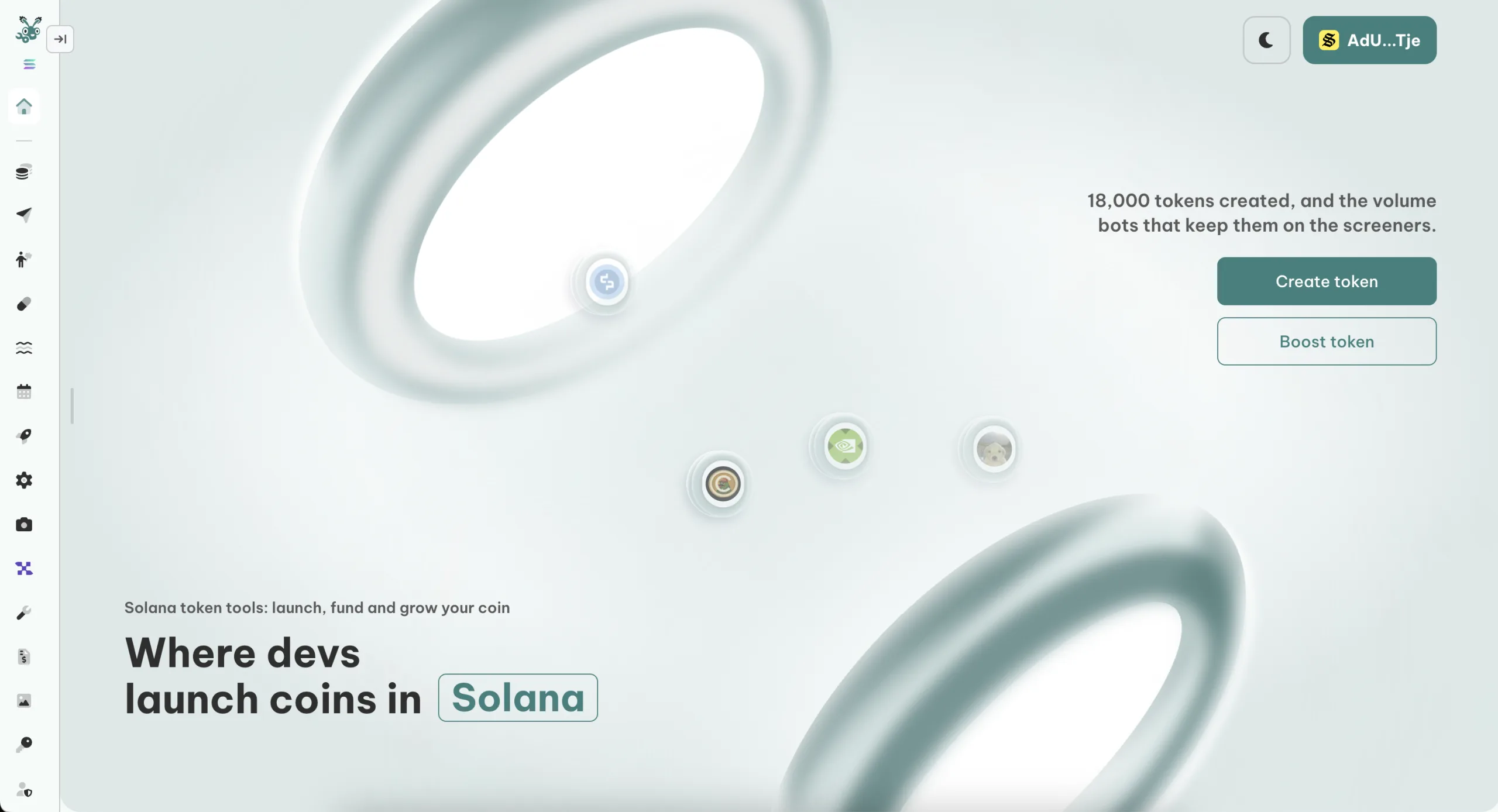
To address those risks, several anti-whale mechanisms have been introduced, and you can manage them through the Smithii anti-whale tool.
In this article, I’ll walk through the main anti-whale mechanisms, then cover the potential upside of having whales in your token ecosystem.
Anti-Whale Mechanisms
The most common anti-whale mechanisms work by setting a maximum limit on token transfers.
Setting a cap on how many tokens can be transferred in a single transaction helps prevent sharp price swings, but there are other mechanisms too:
- Holding Limits: Setting a maximum percentage of the total token supply that any address can hold helps keep token distribution more balanced. This prevents whales from gaining too much control over the token ecosystem.
- Time-Locked Contracts: Using smart contracts to lock tokens for a set period can stop whales from selling large amounts of tokens into the market at the same time. This creates a more gradual token release and supports price stability.
Anti-Whale Setup for Your token
You can configure anti-whale mechanisms with the Smithii tool by following these steps:
- Connect your wallet: Use the button in the top-right corner to connect your wallet.
- Select the token you created
- Set the per-transaction limit: Enter the maximum amount allowed per transaction to keep whales in check.
- Set the per-block limit: This works much like the previous step.
Ya sabes como estas a salvo del pump and dump, es momento de crear un token en base blockchain siguiendo nuestra guía

Benefits of having whales trading your token
Yes, before wrapping up this post, I also want to cover the upside of having whales trade your token. It would not be me if I did not walk through every angle of the topic.
So keep in mind that having whales inside your Liquidity Pool is not always a bad thing, because they may be the ones providing liquidity, or a big share of it.
On top of that, many people build tools and closely track wallets flagged as whales. That means once a whale starts trading your token, many more traders may jump in and follow the move.
A whale can make pump and dump depending on its size. Many whales working in different ways within the same token make it much harder to move market cap between themselves.
Conclusion
While anti-whale mechanisms are key to keeping a token ecosystem fair and stable, it is also worth recognizing the positive role whales can play.
By balancing those protections with the value whales can bring, token projects can build a stronger, more dynamic environment that supports growth, stability, and fair participation for every stakeholder.

Industrial Engineer turned Solana trader. Marketing at Smithii and contributor to the $SHRIMP memecoin launch.